
By-Products, Beloved Possessions, and Baby Steps
My middle son, with his characteristic teasing, once quipped, “I know you’re a fake vegan, but your secret’s safe with me!” The truth is, it’s hardly a secret at all. My life, while leaning heavily towards plant-based, still incorporates certain non-vegan elements.
Veganism is a way of living which excludes all forms of exploitation of, and cruelty to, the animal kingdom, and includes a reverence for life. It applies to the practice of living on the products of the plant kingdom to the exclusion of flesh, fish, fowl, eggs, honey, animal milk and its derivatives, and encourages the use of alternatives for all commodities derived wholly or in part from animals.
Donald Watson, Animal Rights Advocate
Do I eat meat or dairy? A resounding no. Have I surrounded myself with a perfectly curated collection of only the most ethically sourced, vegan-certified items? Not quite. Am I working towards that? Absolutely, with every conscious choice I make.
My feet are sometimes clad in leather boots, and I have a definite fondness for honey. So, yes, the label “veganish” probably fits me best, and there’s nothing fake about that.
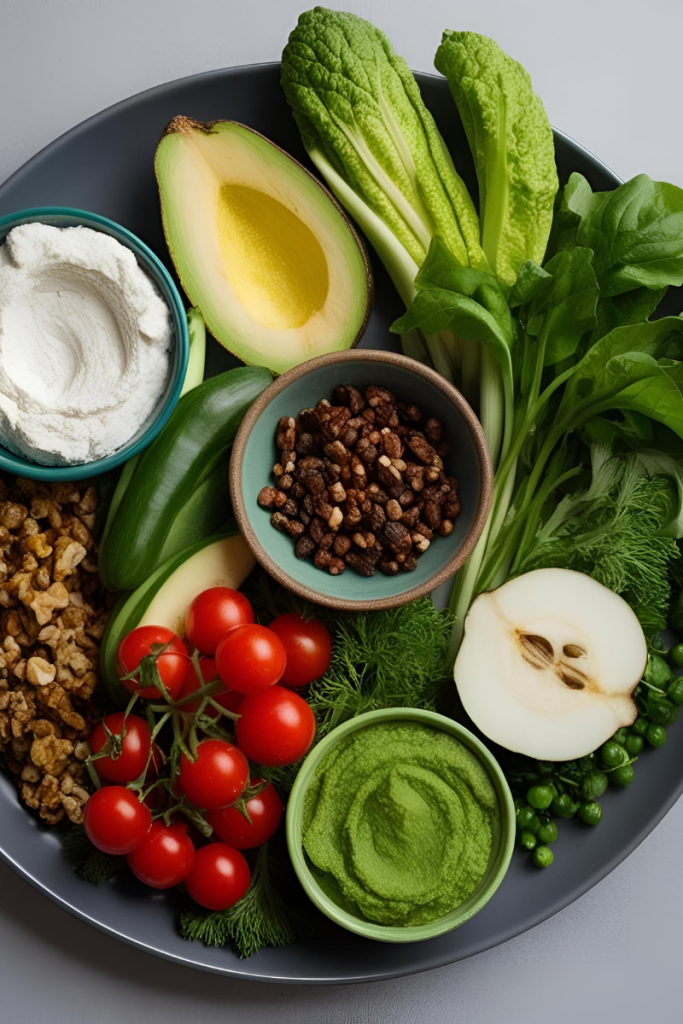
My journey to veganism started with a desire to feel better, a personal health quest that blossomed into a deeper understanding of the ethical and environmental weight of my choices. As I transitioned from almost lifelong vegetarianism, a question arose: what to do with the remnants of my pre-vegan life, those non-vegan possessions that still filled my home?
Initially, the answer was simple: keep them. Why waste something I already owned? But as I delved further into the realities of the food and fashion industries, a conflict began to brew. While some argue that using by-products is a way to minimise waste, the fundamental issue of animals being killed for consumption or clothing remains a significant ethical hurdle for me.
The term “by-product” itself feels slippery. It can imply a discarded remnant, but often these materials, like leather, are highly profitable, essentially becoming “co-products” that drive the very industries I’m trying to step away from. Even if a hide wouldn’t be entirely wasted, the demand for leather undeniably contributes to the demand for animals.
Then there are the grey areas. Capiz shells, for instance. Not vegan, yet often touted as ethically sourced, harvested after the oysters have been eaten. This brings me to a particularly tender point: my beautiful capiz shell mobile. It was a gift from a departed friend. The thought of parting with it feels like losing a piece of her all over again. But every time I look at its delicate shimmer, a pang of conflict hits me. I know those shells are a by-product of the shellfish industry.
This internal tug-of-war is my constant companion on this journey. It highlights the complexity of aligning our lives perfectly with our values, especially when faced with sentimental attachments and the pervasive nature of animal-derived products in our world.
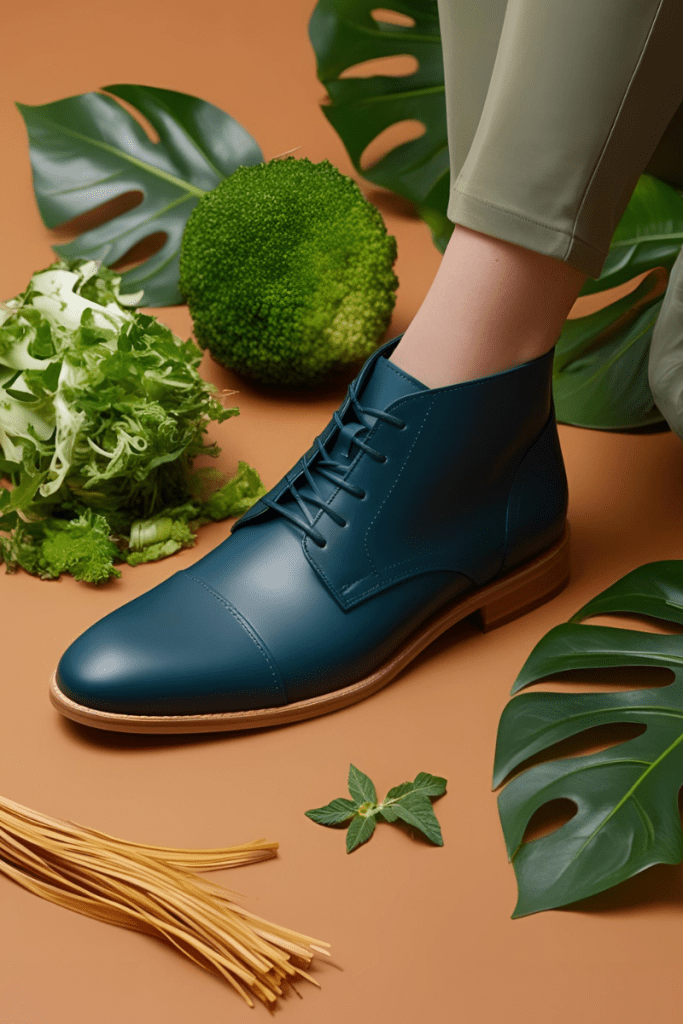
Thankfully, the landscape is changing. The rise of vegan alternatives, like vegan “leather” made from plants or recycled plastics, offers a tangible way forward. While the debate about the perfect sustainable solution continues, choosing vegan leather over traditional leather feels like a step in the right direction – a vote for animal welfare and a push towards more eco-conscious practices. Traditional leather’s high carbon emissions, pollution, and ethical concerns around animal treatment make the vegan alternative an increasingly compelling choice.
So, what’s my personal approach to navigating this “veganish” reality?
- Firstly, I’ve focused on using up anything with a limited shelf life. It feels more sustainable to finish a non-vegan body wash or cleaning product I already own rather than simply tossing it in the bin.
- Secondly, as larger, more durable non-vegan items become surplus to my needs, I’ve chosen to donate them. This reduces waste and allows someone on a different path to utilise them. It feels like a way to acknowledge my past while consciously shaping my future.
Ultimately, this journey is deeply personal. The decision to keep, donate, or discard non-vegan items depends on your individual reasons for embracing veganism, your emotional attachments, and your capacity to navigate these complex ethical considerations.
When I first became a TEMPLESPA consultant, almost all of their products were vegetarian, which was a great start. But, much like my own journey, the company had a clear vision for the future.
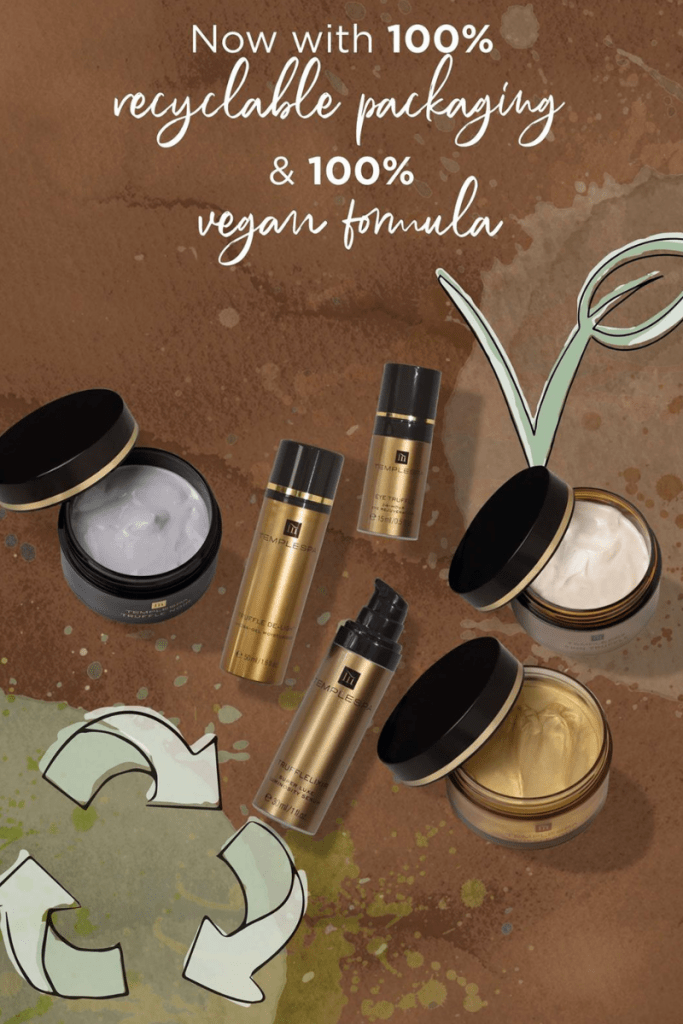
So, I was absolutely thrilled when TEMPLESPA recently achieved its goal of becoming a 100% vegan brand! While the vast majority of their range was already suitable for vegans, their commitment to ensuring every single product, including those that previously contained animal-derived ingredients, is now vegan-friendly is truly inspiring. It’s fantastic to see a company so dedicated to aligning its offerings with ethical and sustainable values.
What I’ve learned is that progress, not perfection, is the key:
- Every small action counts.
- Every mindful choice we make sends a ripple effect, shaping a future that is hopefully kinder, greener, and more aligned with the values we hold dear.
So, while my son’s playful jab about being a “fake vegan” might raise a smile, it underscores a very real and ongoing process. My journey isn’t about adhering to a rigid label, but about a continuous evolution towards a more compassionate and sustainable way of life. It’s about making conscious choices, navigating complexities with intention, and celebrating progress, however incremental.
Ultimately, it’s in these mindful steps, these small acts of choosing kindness and sustainability, that we truly shape a better world.
 Melanie Lampro
Leave a comment