
I’ve supported and donated to animal charities and rescues for as long as I can remember. Anyone who knew 10-year-old me might remember Pet Club, but that’s a whole other, very Durrell-esque affair.
Animals have always been part of how I try to live, with care, responsibility, and compassion.
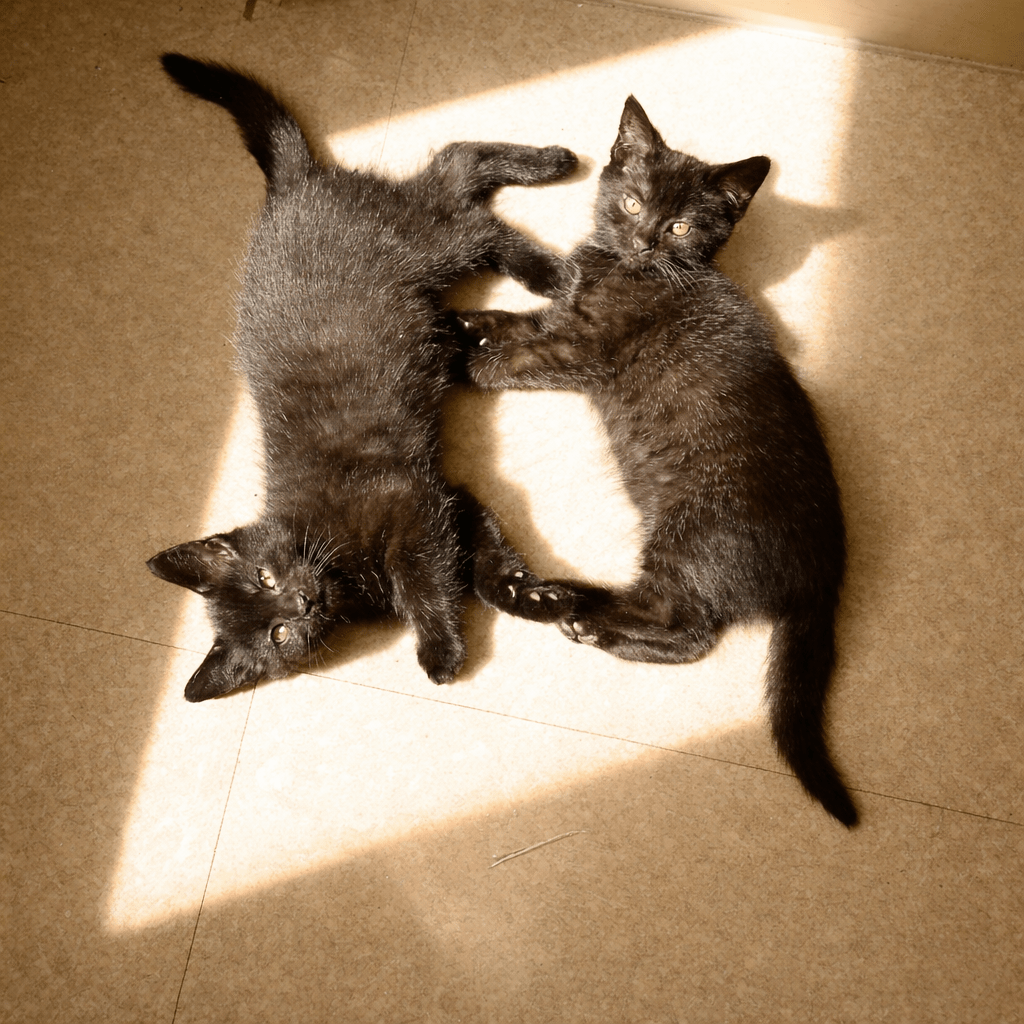
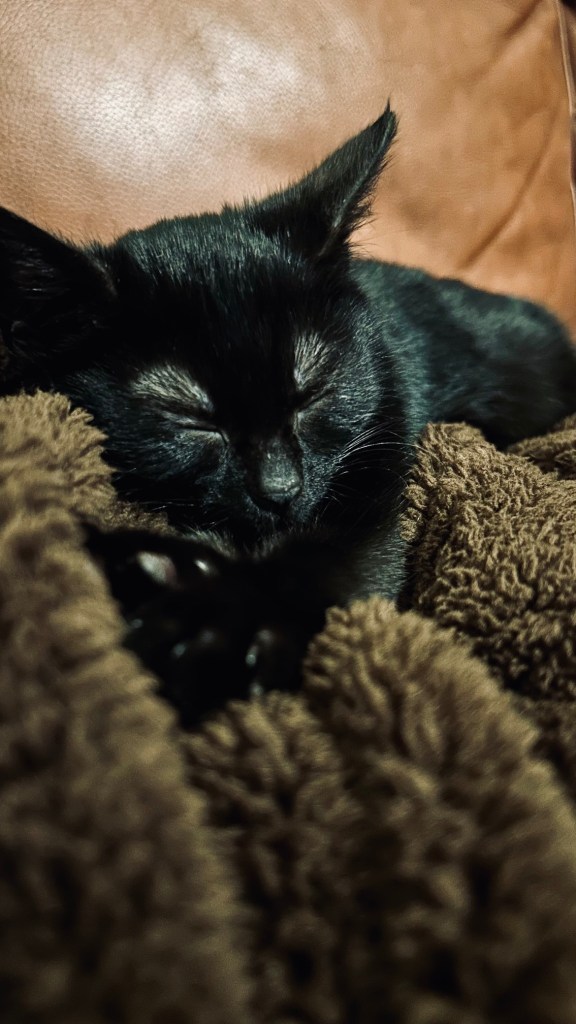
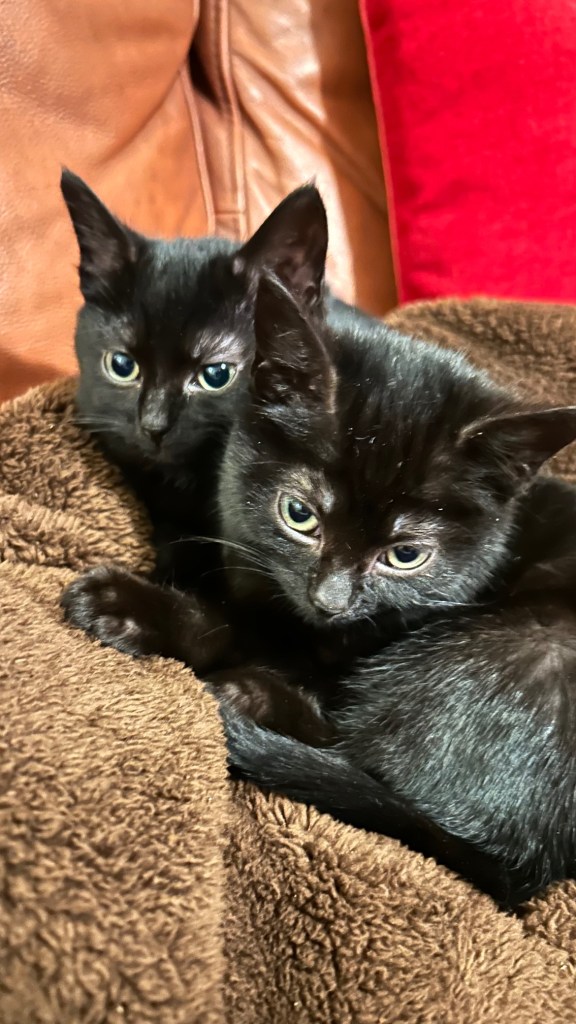
Before fostering became part of my life, I shared my home for many years with two black sibling cats, Bitey Trip Hazard and Goblin Frankenkitty. Together, they were known as Vlad’s Kittens, a name given to them by a dear friend. Bitey went over the Rainbow Bridge a couple of years before Goblin.
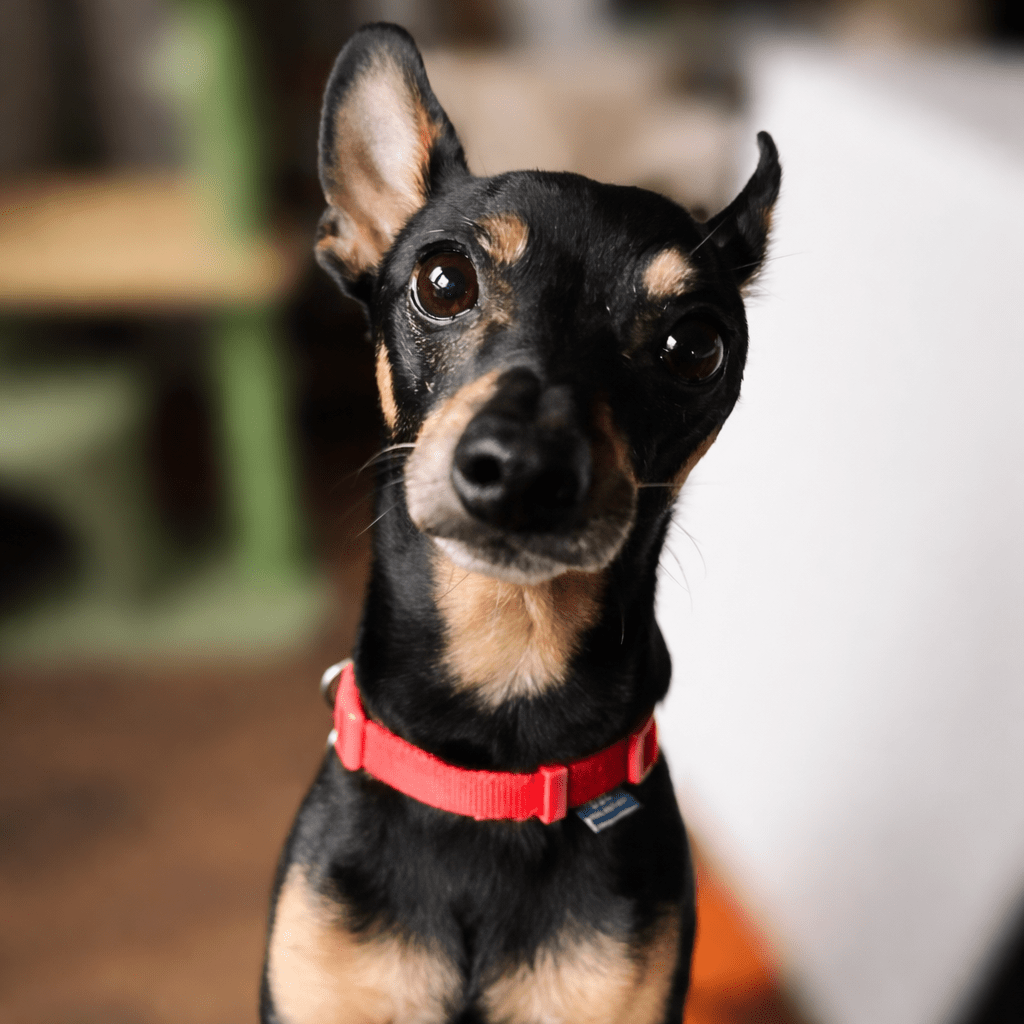
Loco, also known as #SpaDog, is a rescue from Gran Canaria; a Miniature Pinscher brought to the UK by Pet Pals GC. He joined our household later and learned to live alongside Goblin Frankenkitty, also affectionately known as #SpaCat, who had already been part of my life for many years. When Goblin joined her sister over the Rainbow Bridge, I honestly didn’t think I could bear to have another cat.
What I hadn’t expected was how deeply Loco grieved.
Watching him search for her, returning to the places she used to curl up and sleep, was heartbreaking. He seemed unsettled and lost in a way I hadn’t seen before. Fostering became a way to help animals in need while also helping him.
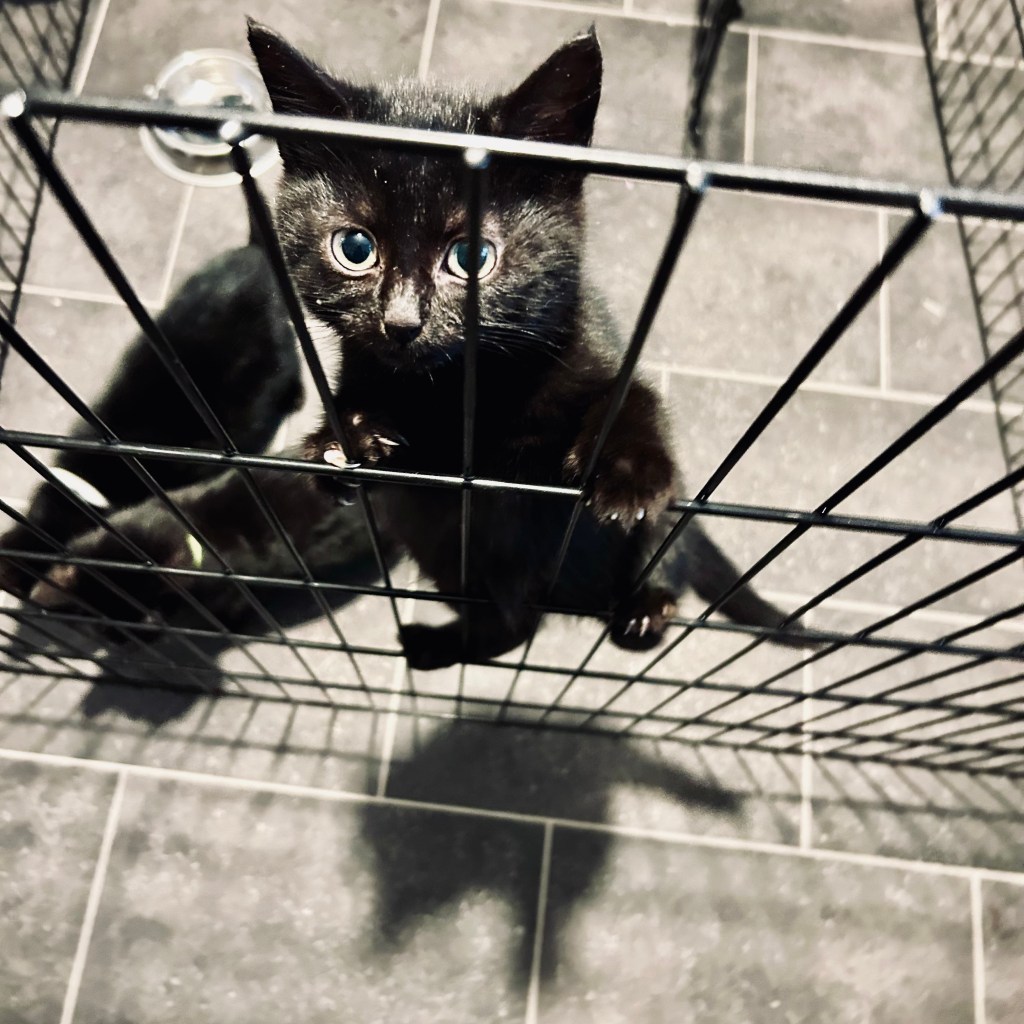
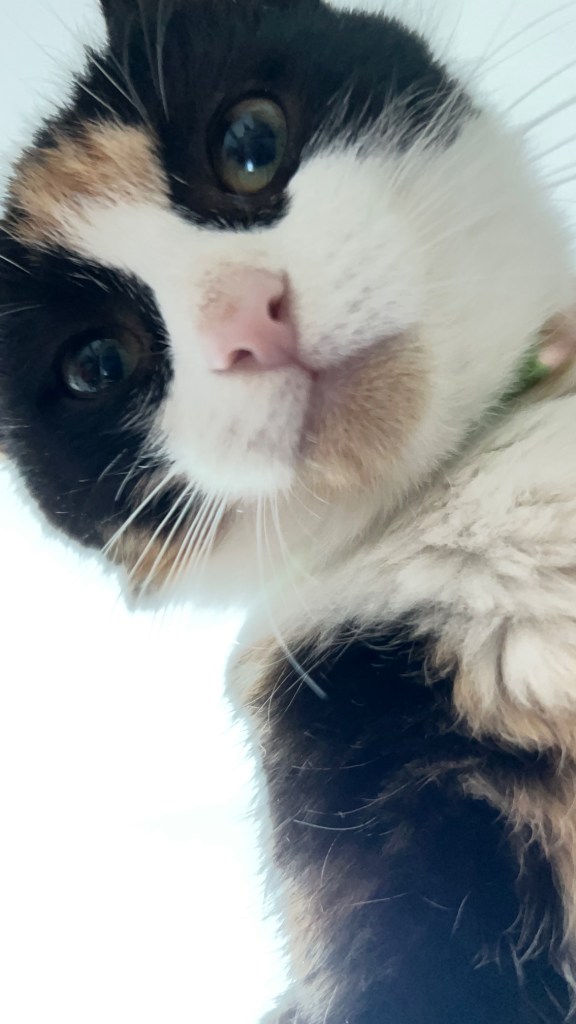
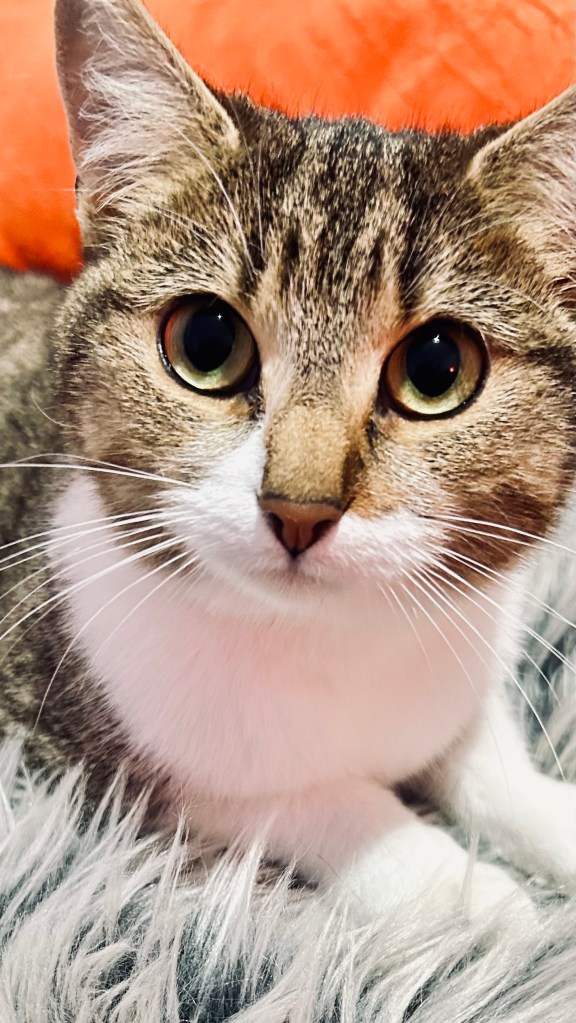
Loco “mother hens” kittens with a gentleness that still surprises me. He checks on them, settles near them, and tempers his energy into something calm and protective. With one litter, he would wait patiently each morning, then gently usher the kittens out one by one for breakfast before settling down to eat himself. He takes his role very seriously and is, without question, a very good boy. He is also my best friend.
He wasn’t my first dog, or my first waif and stray, but Loco was my first official rescue dog. I took him on knowing he would need patience, time, and care, though some things only became apparent once he’d settled. His dental condition was pre-existing and undiagnosed when he arrived, and there was no way for anyone to have known that at the time.
I was learning as I went, and I’m fairly sure I drove the rescue mad with questions in those early days. Over time, there were significant costs (including vet bills), adjustments, and a lot of learning on all sides. That experience shaped how I approach rescue work now, with realism, clear boundaries, and a deep respect for how much animals can carry into new homes.
Currently, I volunteer with a small, grassroots rescue called Cat Man Jules, based in Sheffield, UK. It isn’t a registered charity, which is currently allowed in the UK, although there are ongoing discussions about introducing clearer rules and oversight. Personally, I’m in favour of that. I know I’m honest and well-meaning, but I’m also very aware that not everyone is, and that animals and donations can be vulnerable to misuse when things are completely unregulated.
For me, transparency matters. I want people to understand who I’m helping, how things work, and where the boundaries are. For anyone interested in the wider conversation about oversight, there is also a UK Parliament petition calling for clearer licensing and regulation of dog and cat rescues. It’s entirely optional, but if you’d like to read more or add your name, you can find it here: https://petition.parliament.uk/petitions/718660.
I’m not an expert and I’m not here to tell anyone what to do. I simply try to be open about how and why I’m involved, and to do right by the animals in my care.
I only take on kittens, and that decision is mostly practical rather than philosophical. My home layout works well for short-term fostering but isn’t suitable for multiple adult cats. Kittens can be safely contained, supervised, and gradually introduced to space as they grow. That makes it easier to manage hygiene, enrichment, and introductions calmly.
Almost all kittens arrive with worms, and many are also carrying fleas. This is normal for kittens found outdoors and isn’t a reflection of neglect. Early worming, flea treatment, appropriate food, and gentle cleaning are simply part of the settling-in process here. Young kittens also need age-appropriate food; they can’t just be fed regular adult cat food and hope for the best.
Health concerns, treatment plans, and long-term outcomes are always handled in consultation with the rescue and qualified professionals, namely Hall Court Veterinary Group – Dinnington (the rescue’s vet) and my own amazing vet, Abbeymoor Veterinary Centres. I don’t give veterinary advice, and I don’t make decisions beyond the scope of my role as a foster carer.
As fostering became part of my life, practical considerations followed. At first, I covered all the costs myself. Food, litter, vet care, medications, everything. That was manageable with two kittens. As numbers grew, and I have five here at the moment, I share an Essentials wishlist for anyone who wants to help. Each item on the list includes a short note explaining why it’s used or needed, so people can see the reasoning behind what’s there. It’s never an expectation and never as a demand.
I also keep a Kitten Wishes wishlist. This is a companion list for non-urgent items, enrichment, and longer-term supplies. It also doubles as a shopping list for me when I spot useful things. Both lists exist for transparency and organisation, not pressure.
I’m very aware that many people are under financial pressure. Support is never expected. Kind words, shared advice, or simply wishing the kittens well all matter. I also pass on surplus supplies to other fosterers, rescues, and charities whenever I can. Nothing goes to waste.
I’m in this for the cats, not credit, not ownership, and certainly not profit. I only foster the number of animals I can safely, responsibly, and comfortably care for at one time. Welfare always comes first.
About Adoption Fees
Adoption fees do not generate profit. Every cat and kitten is microchipped, neutered or spayed, flea- and worm-treated, and some also require FIV testing before they are rehomed. No animal leaves for a home trial until this work is completed.
Veterinary costs are significant. In recent weeks alone, individual cats have incurred hundreds of pounds in vet bills, and monthly veterinary costs can run into four figures. Some cats require multiple vet visits before they are ready for adoption.
Adoption fees, after fuel costs, go directly towards covering these veterinary expenses and outstanding bills. They help ensure that every animal is fully treated, responsibly prepared, and safely rehomed.
The Adoption Process
If you’re interested in adopting a kitten, there is a simple process to follow to ensure each animal is placed safely and responsibly.
Prospective adopters are asked to provide their full name, address, and a contact phone number. Once these details are received, a member of the rescue team will arrange a home check and complete the necessary adoption paperwork.
The adoption fee is £150 for a male kitten and £180 for a female kitten.
Availability varies, and adoption timelines can shift quickly depending on health, development, and rescue capacity. Updates are shared where appropriate, but patience is appreciated.
On judgement, assumptions, and kindness
From time to time, assumptions are made about people who are trying to help animals, particularly fosterers. It can look simple from the outside. Suggestions are often made about what someone should do, without seeing the limits they’re working within.
Asking for help, whether that’s practical advice, donated supplies, or shared knowledge, is not neglect. It is part of how rescue work functions when resources are stretched. Public criticism doesn’t just affect the person being targeted, it also affects the quieter people watching from the sidelines.
I won’t engage in pile-ons or arguments. I will continue to act responsibly, within my limits, and always with the animals’ welfare at the centre. If something here isn’t for you, it’s okay to step away.
Care doesn’t have to be loud to be real.
I do this because it feels right. Because animals need safe, calm places. Because I can offer one.
If you support it, thank you. If you can’t, that’s completely understood.
In many ways, it feels like I’ve simply come back to where I started, offering care, space, and steadiness, just with a little more experience than the original Pet Club ever had.
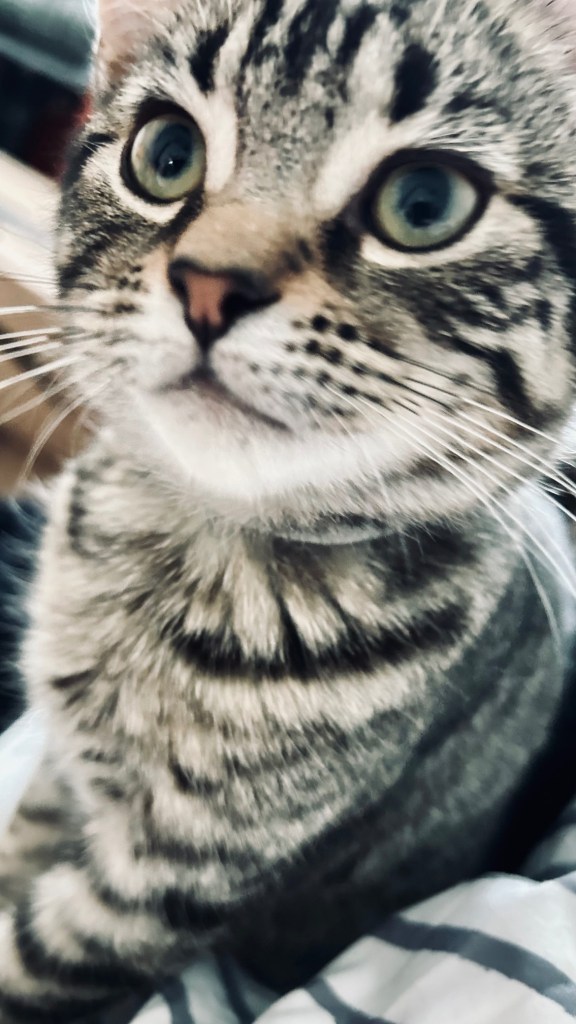
Foster Kitten Gallery
 Melanie Lampro
Leave a comment